

Key Takeaways
Brent crude fell below $80 on August 4 amid talks between Iran and Oman to reopen the Strait of Hormuz, which have resulted in a draft proposal to open the waterway for 60 days with no transit fees.
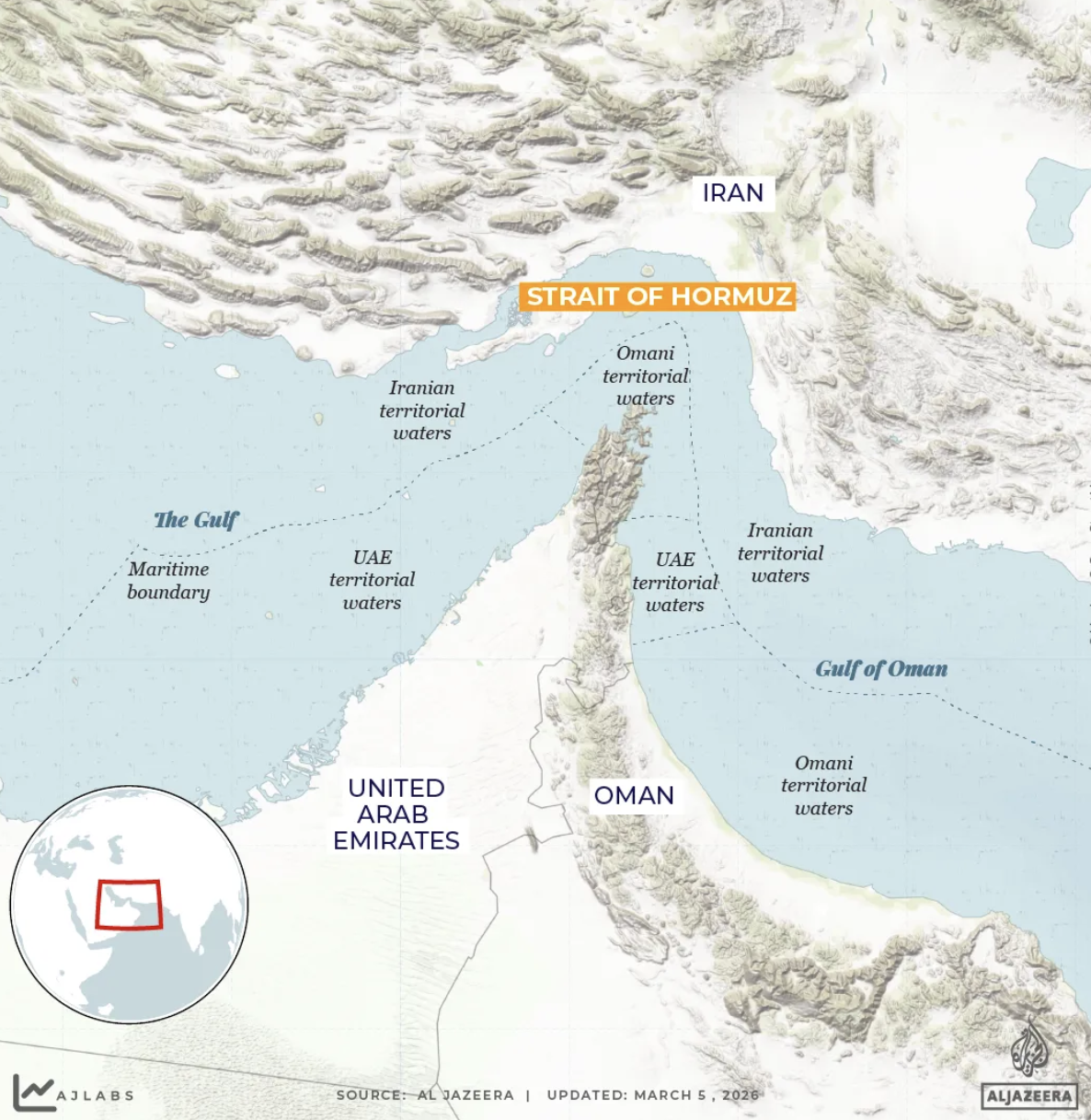
Ships entering the strait would use the Iranian side while those leaving would use the Omani side, with each nation managing its respective traffic.
This is a first step in the resolution of outstanding issues with Iran because its proxies, the Houthis, continue to threaten traffic in the Red Sea and issues remain in Lebanon between Israel and Hezbollah.
Ultimately, the talks must encompass Iran’s nuclear weapons program, which was the casus belli.
The price of Brent crude oil dropped to its lowest level in over three weeks amid optimism that an agreement to reopen the Strait of Hormuz will be reached soon. The global benchmark dropped to $79.96 per barrel on August 4, moving below the $80 level, but rebounded slightly on August 5. According to Qatari officials, a framework for a possible U.S.-Iran agreement has been drafted, and diplomatic efforts are underway, with mediators including Qatar, Pakistan and Oman working to advance negotiations and exchange draft proposals between both sides. U.S. Treasury Secretary Scott Bessent said a deal with Iran may be reached this week. An agreement could pave the way to a cease-fire between Iran and the United States.
Discussions between Iran and Oman are focused on the mechanics of reopening the Strait of Hormuz. Under the proposal, ships entering the strait would use the channel closest to Iran, with Iran coordinating inbound traffic, while vessels leaving the strait would use the Omani side, with Oman managing outbound traffic. The arrangement would initially last 60 days, during which no transit fees would be charged, according to Axios. The parties would work on clearing naval mines from the median lane of the strait within 30 days. Once the median lane is cleared, it would be used for inbound and outbound traffic under a permanent arrangement to be negotiated between Oman and Iran. The broad outline of the agreement has supposedly been agreed upon, with the remaining discussions focused on implementation and timing.
Discussions, however, include a “service fee,” with the revenue split between Iran and Oman. Under international maritime law, tolls for passage cannot be levied on international straits such as Hormuz, but coastal states may charge for services they provide, such as navigational assistance, pilotage and environmental protection. The Trump administration, however, wants total freedom of commercial navigation through the waterway without Iranian tolls or any arrangement requiring ships to obtain Iran’s approval before transiting the strait. The United States is committed to restoring the previous system in which “no party controls the lanes or the ability to transit through them.”
The remaining disagreements appear to be on who should administer the waterway over the longer term and whether Iran would be allowed to eventually collect fees for maritime services. Oman has earlier proposed voluntary fees for use of the strait based on operations in the Strait of Malacca, which connects the Indian and Pacific Oceans. Indonesia, Malaysia and Singapore ask ships that use the strait to voluntarily help fund navigation, environmental protection, and search and rescue operations.
Middle East Turmoil Continues
On August 5, Yemen’s Iran-backed Houthis attacked a Saudi oil tanker off Yanbu, in the Red Sea, as it continues the maritime blockade of Saudi Arabia’s oil tankers through the Bab al-Mandeb Strait. This was the eighth Saudi oil tanker targeted since the start of the blockade on July 22.
On August 4, an Indian vessel sank after it was hit by a projectile near Yemeni waters. The Indian MSV Faize Noore Oliya capsized after it was hit, and all 14 people who were on board, including 13 Indians, were rescued by the Yemeni Coast Guard, according to India’s Minister for Ports, Shipping and Waterways.
Opening of the Strait of Hormuz will only be a first step toward a peace deal as other issues exist, including disruptions to shipping in the Red Sea by the Iran-backed Houthis in Yemen, the conflict between Israel and Hezbollah in Lebanon, and an agreement on Iran’s nuclear program, which is the main reason for the U.S. conflict with Iran.
Conclusion
Oil prices are hovering around $80 a barrel as traders are optimistic about discussions over reopening the Strait of Hormuz. Issues include the mechanism for reopening the waterway, maritime service fees, and broader security arrangements. An agreement between Iran and Oman, the border countries, has been drafted that would reopen the strait for 60 days with no transit fees. Under the proposal, ships entering the strait would use the channel closest to Iran, with Iran coordinating inbound traffic, while vessels leaving the strait would use the Omani side, with Oman managing outbound traffic. Resolving the reopening of the strait is a first step toward a peace deal, as fighting remains in the Middle East with the Iran-backed Houthis and the ongoing conflict between Israel and Hezbollah in Lebanon, as well as the original reason for the U.S.-Iran conflict, which was Iran’s nuclear program.
For media inquiries, please contact press@ierdc.org.

